SUHAILA
Conceptual
Experience
Designer
MELBOURNE BASED
‘COMMAND CENTRE’
The runway becomes a command centre for a high security space mission
Fashion is power. Each model is deployed on assignment.
The audience isn’t just watching, they are mission personnel, witnessing history in motion.
Runway Environment Concept
Audience Experience
Entry: dim corridor, subtle system sounds, screens loop data
Show starts in controlled silence. Digital tone
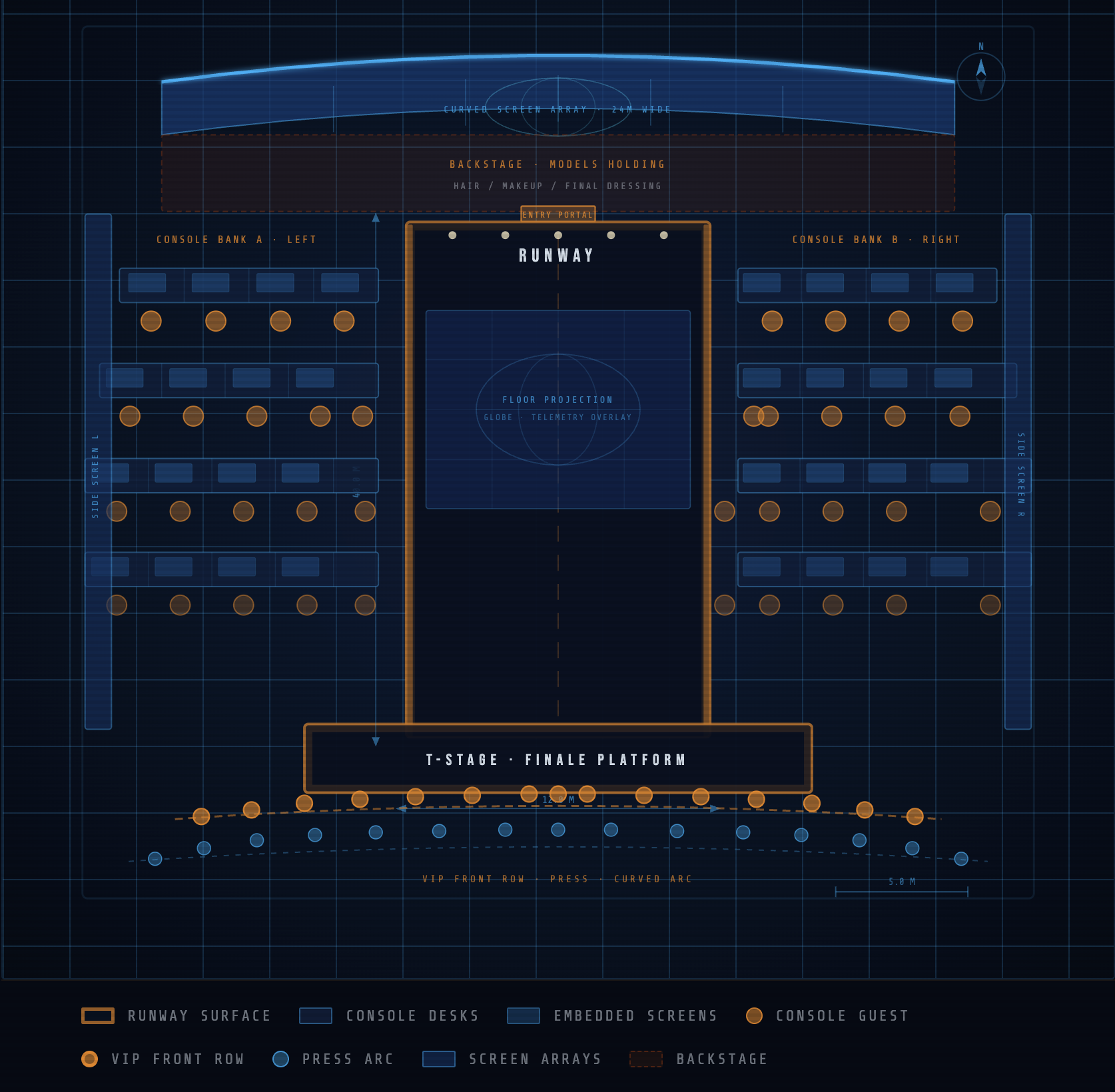
Custom-built mission console desks
Each desk is fitted with display screens showing mission status feeds
The guest does not sit as an audience member. They sit as an operator.
Finale: screens sync, data unifies, final model walk = mission complete
Lighting
Operational
Cool overhead lighting, spotlights on models
LED runway edge strips
Low audience lighting, screens glow softly
Optional dramatic countdown: lights drop → system reboot → launch
Concept Themes
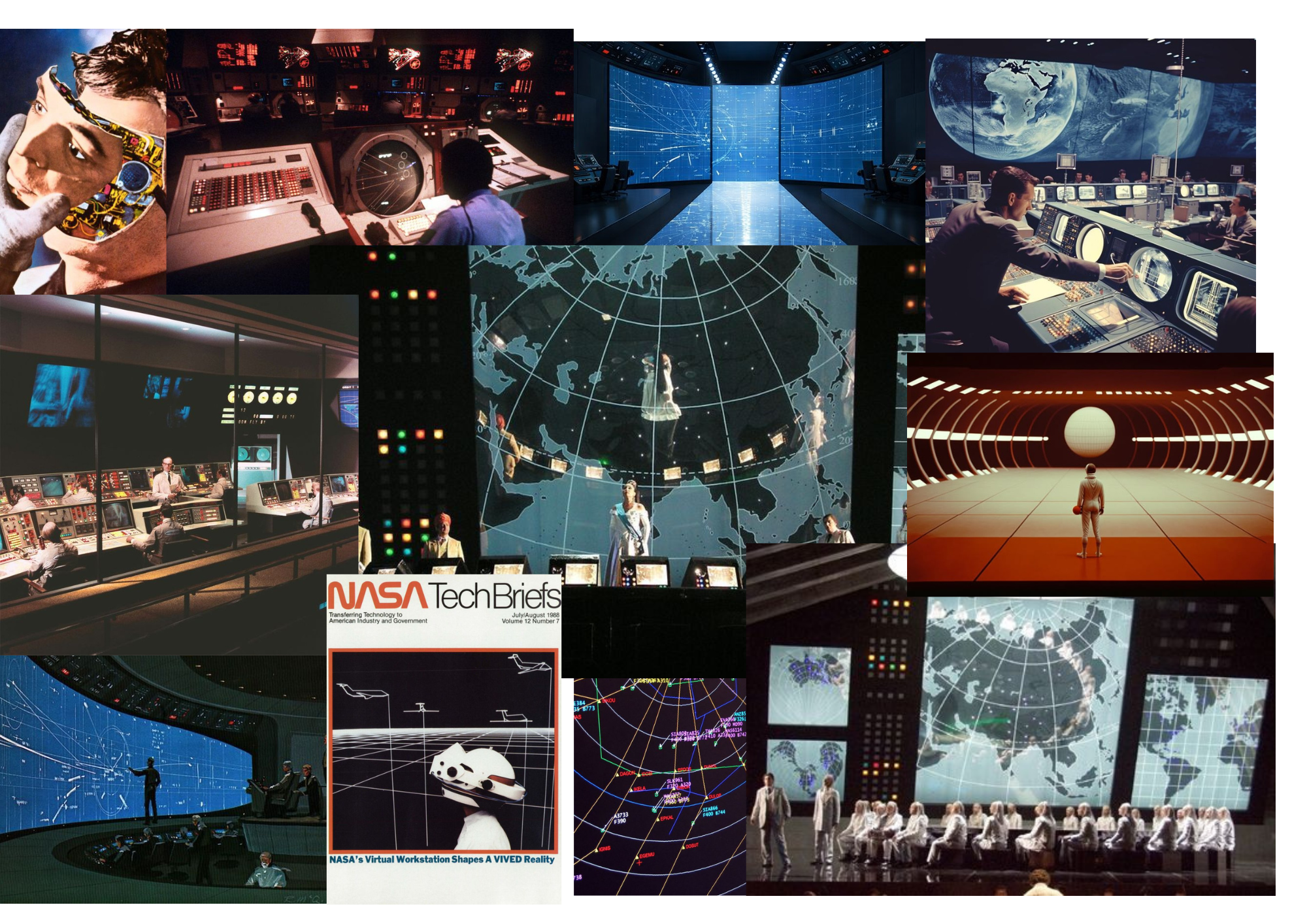
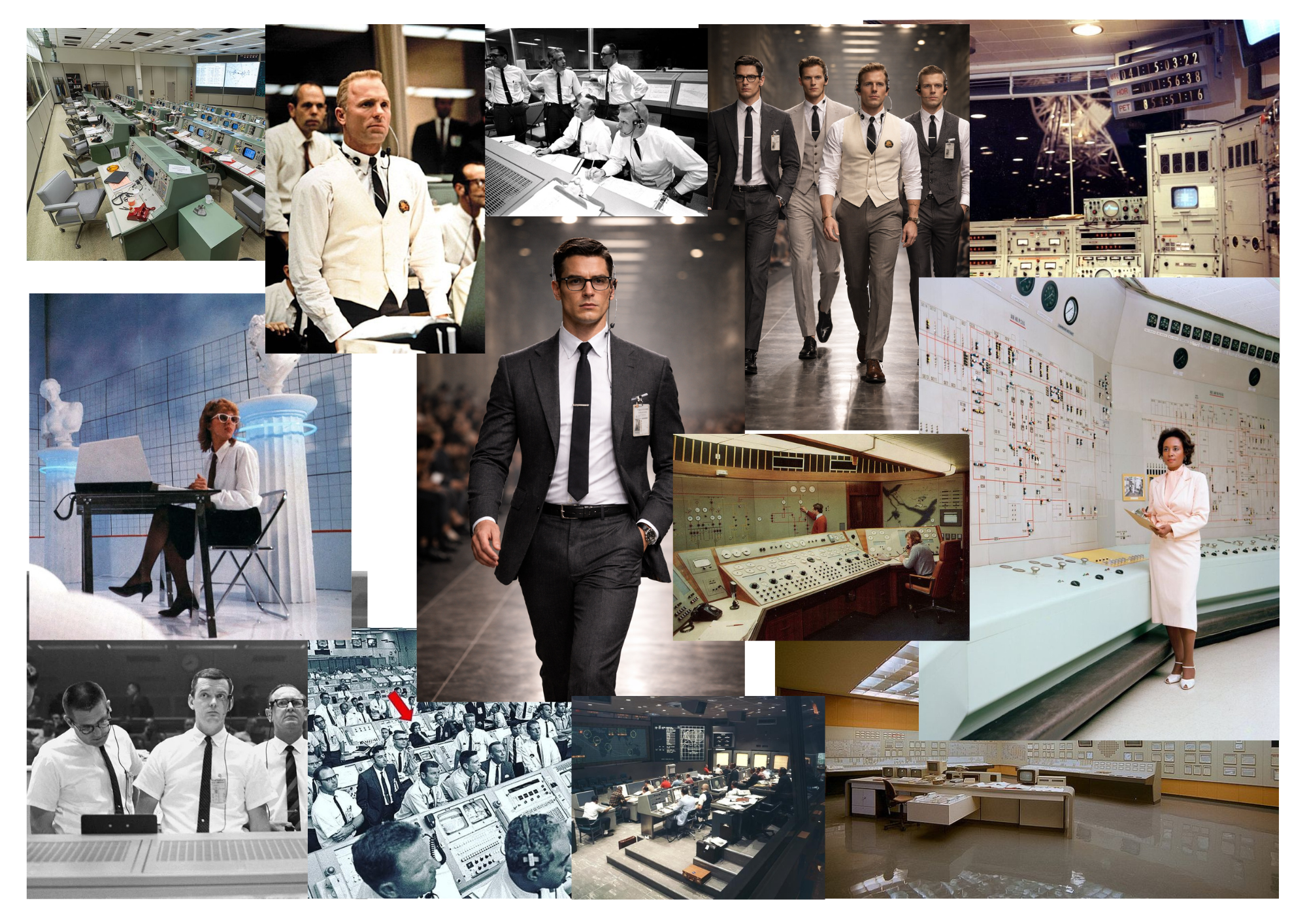
Reference: NASA ground control rooms of the 1960s–80s, Cold War tracking stations, NORAD surveillance bunkers and speculative command centres of mid-century science fiction.
Precision beats chaos
Discipline is beauty
Intelligence is power
Structure defines identity
Spatial Design
Long central runway = Launch Path
Tiered seating = Command observation
End of runway = Command Wall
Large screens show satellites, maps, data, countdowns
Glossy black floor mirrors movement
Materials
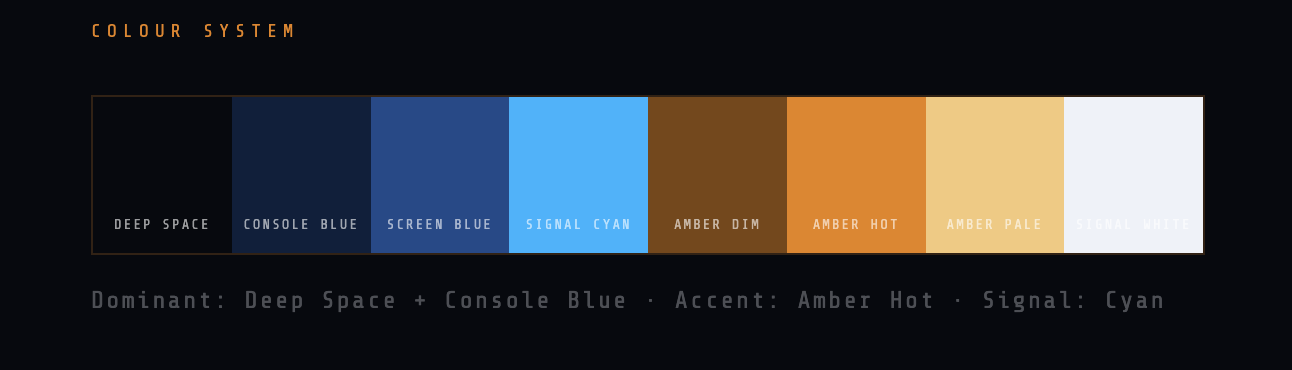
Brushed steel & cold aluminium
Matte charcoal panels
Industrial consoles & retro-futuristic screens
Deep navy & military greys
Mirrors the collection: structured suits, sharp lines, authority silhouettes
Garments & Set
Military tailoring + aerospace cues
ID badges, slim ties, headsets
Models walk like trained personnel
Clothes = uniform of authority
Set = system
Conceptual Exhibition Design
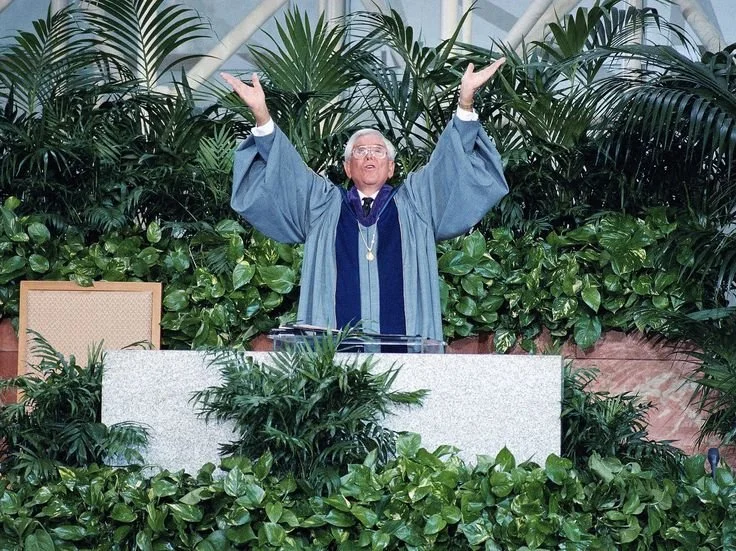
‘Broadcasting Faith’
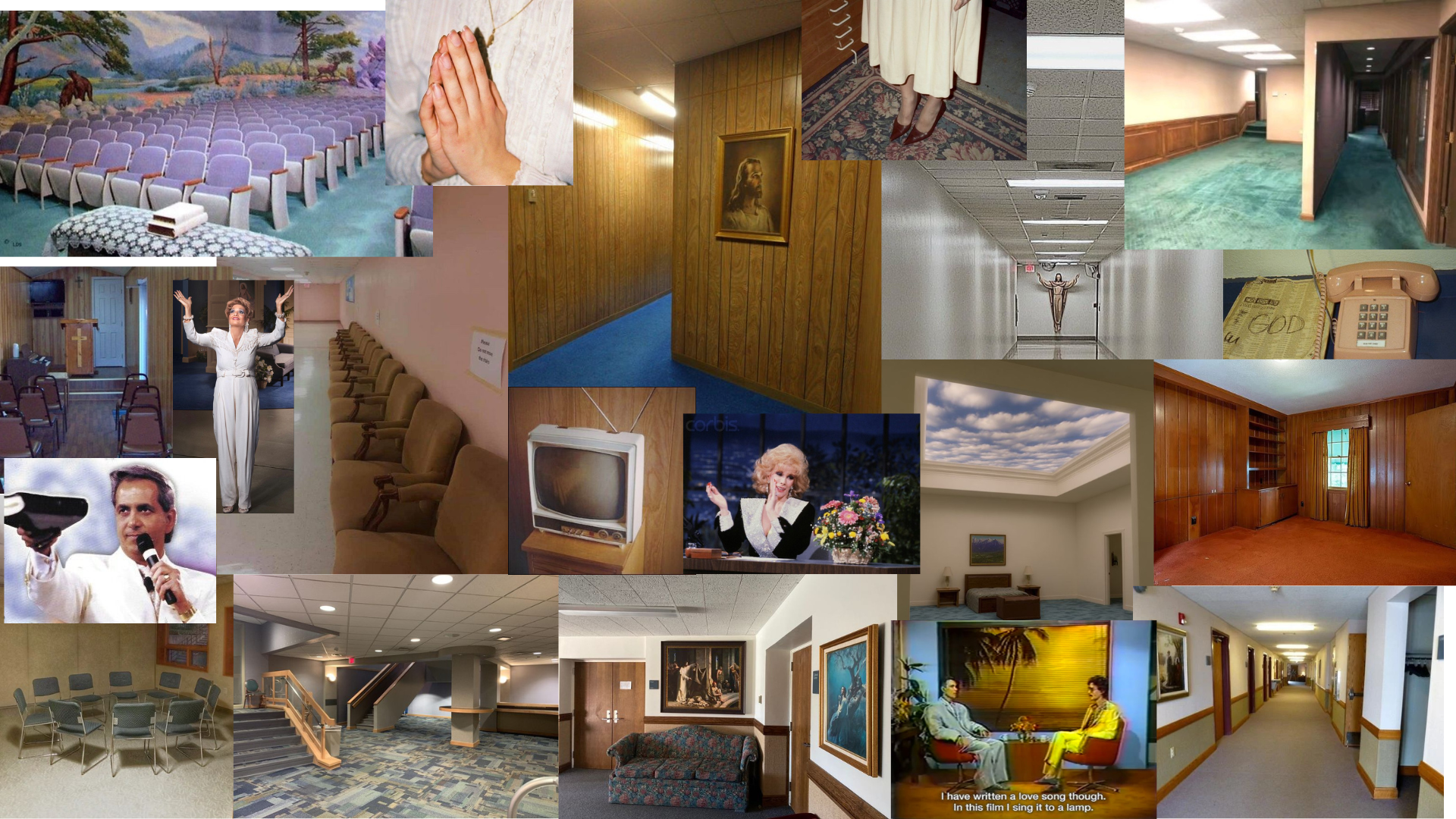
Exploring the connection between religion and television through the style of 1980s televangelism. The exhibition shows how TV turned religious messages into a large public spectacle, combining faith, performance and mass media.
Concept
The exhibition presents televangelism as a cultural object. Sermons, TV studio sets and broadcast equipment are displayed like museum pieces. Visitors explore how television turned religion into a powerful mix of belief, persuasion and entertainment.
Spatial Design
The exhibition unfolds through a sequence of immersive environments that mirror the structure of a broadcast.
Archive Hall – Walls of vintage televisions and VHS recordings documenting early religious broadcasts.
Broadcast Studio – A recreated televangelist stage with cameras, lighting rigs, and choir platforms.
Testimony Gallery – Video installations featuring miracle testimonies and audience reactions.
Donation Hotline Room – A space filled with ringing telephones and live donation counters, referencing fundraising broadcasts.

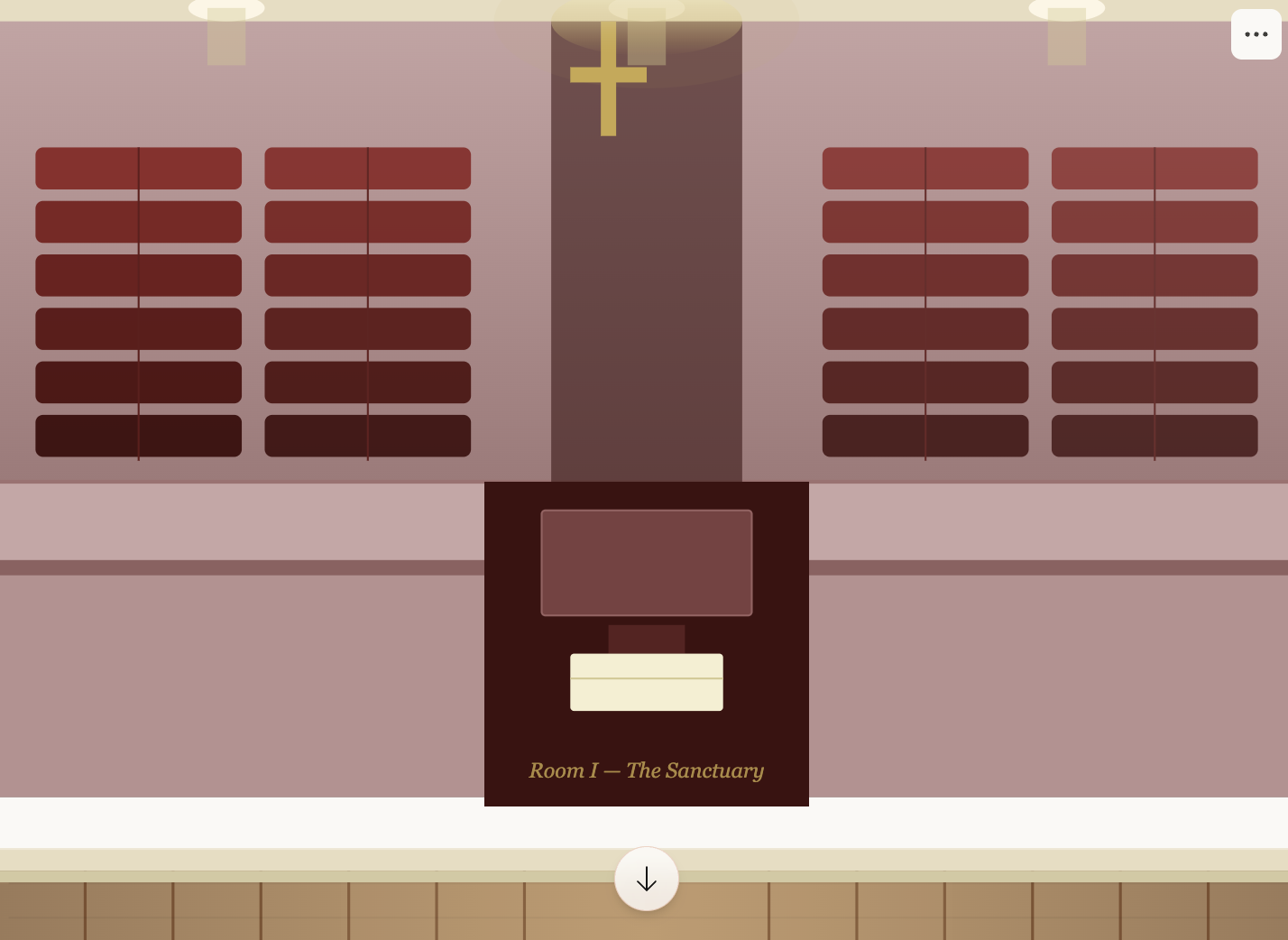
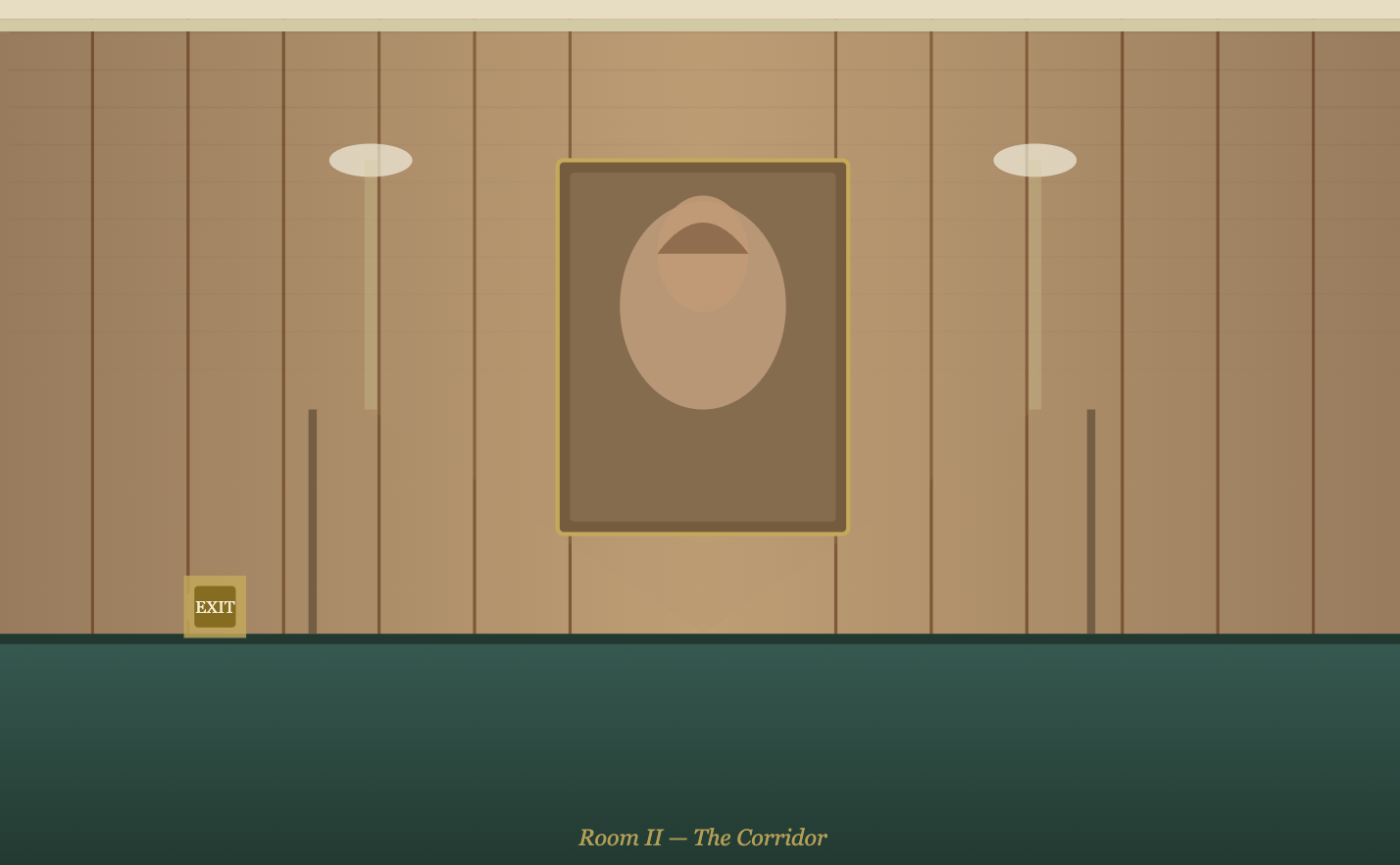
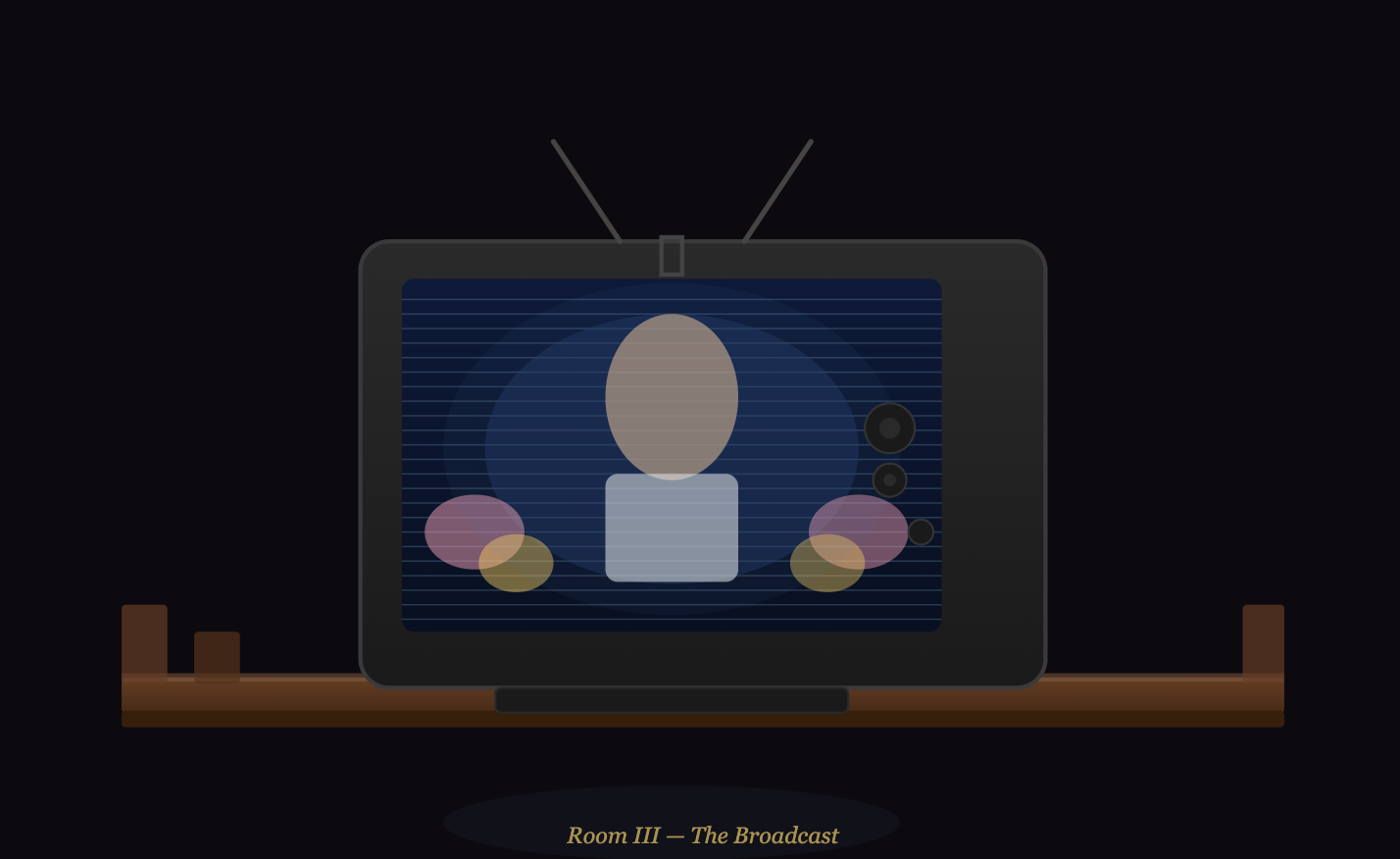
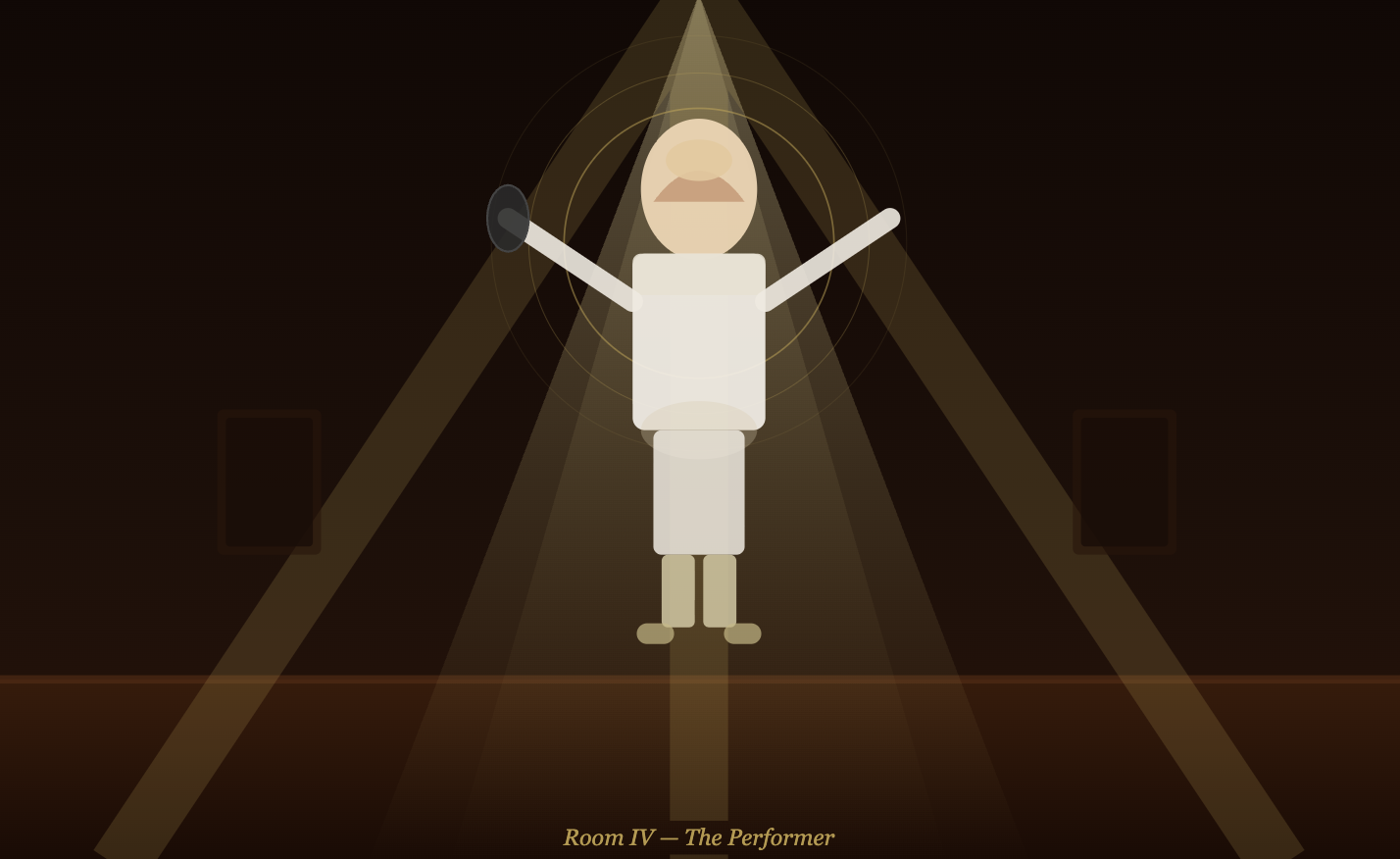
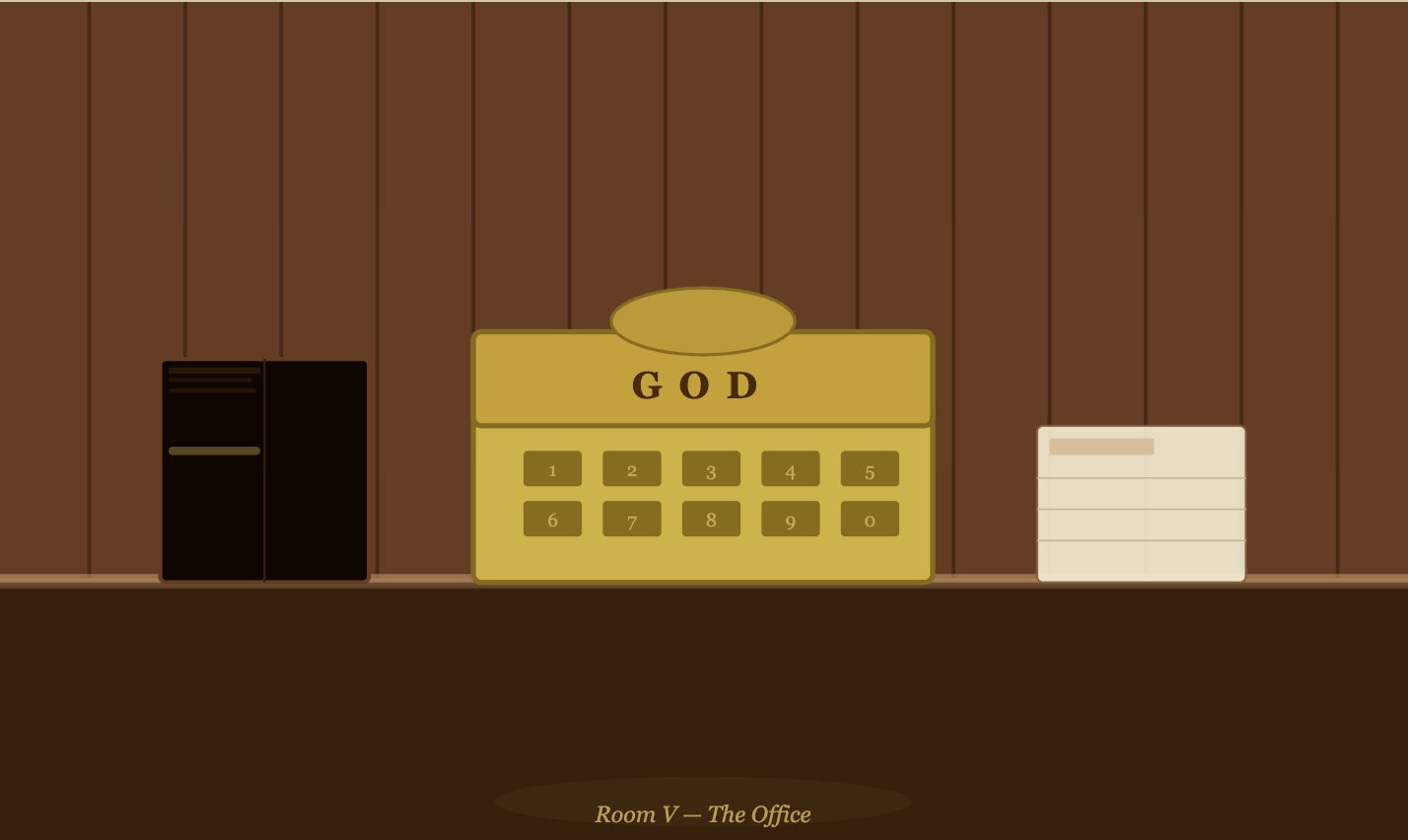
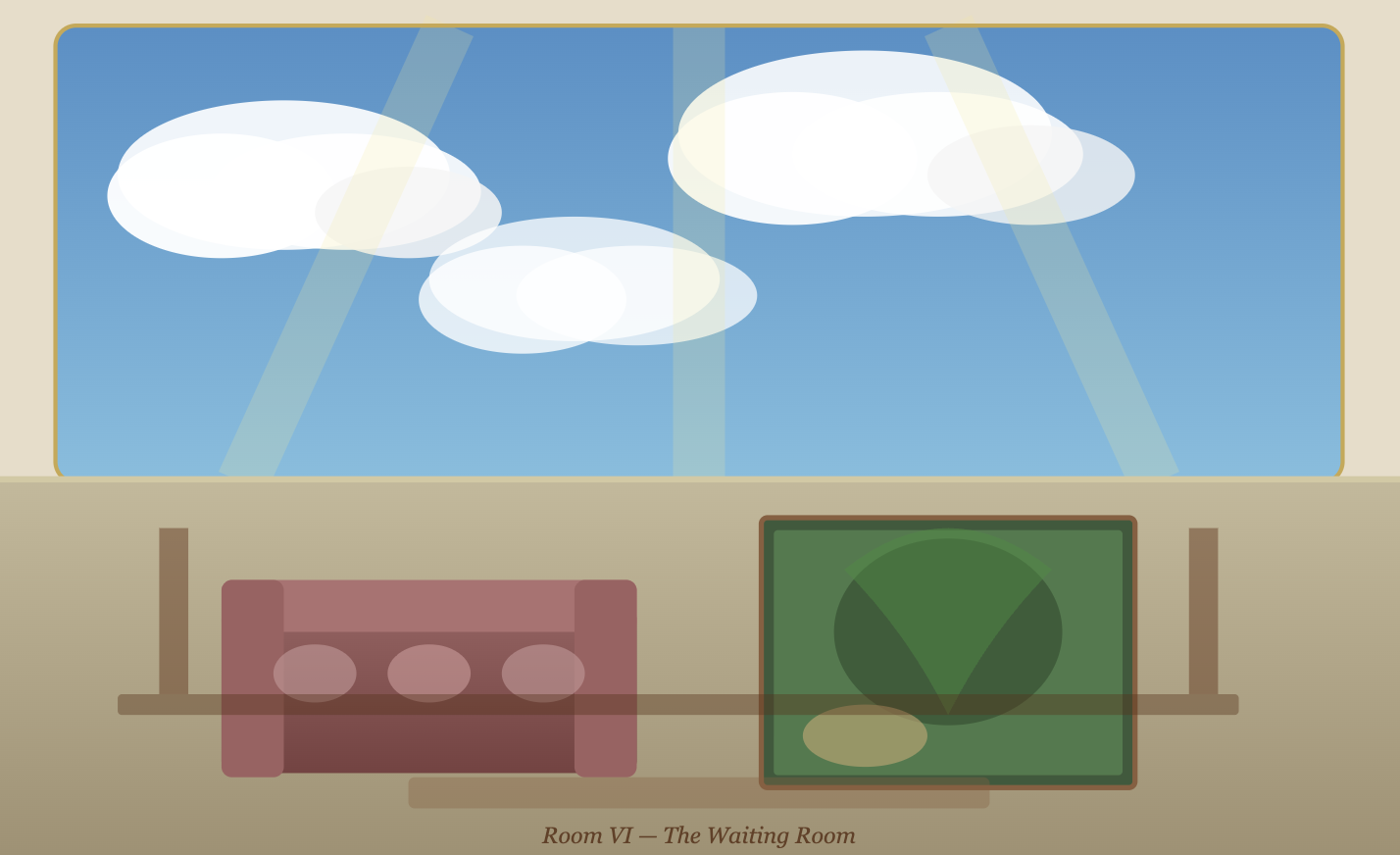
Six rooms, illustrated in sequence:
I — The Sanctuary — lavender-rose pews receding toward a gold cross, altar cloth and Bibles at the front.
II — The Corridor — deep wood-panel perspective with teal carpet floor, ceiling tile strip lights, and a framed portrait of Christ at the vanishing point.
III — The Broadcast — a CRT television on a wood shelf, scanlines over the presenter's figure, flowers flanking her, screen glow bleeding into a dark room.
IV — The Performer — a white-suited figure center-stage, arms raised, microphone in hand, ringed by golden halo circles and dramatic light rays.
V — The Office — the golden "GOD" telephone on a wood-paneled wall above a desk, pushbutton keys, a King James Bible alongside a notepad.
VI — The Waiting Room — a hand-painted sky ceiling with cumulus clouds and light rays, floral couch below, a landscape painting on the adjacent wall.
Design Language
Neon scripture-style typography
Velvet textures and 1980s broadcast graphics
Gold accents referencing prosperity theology
Multi-screen video installations and projection walls
Visitor Journey
Visitors move from observer to participant, gradually stepping behind the scenes of the televangelist broadcast. The experience reveals the mechanics of persuasion while highlighting the theatrical nature of televised faith.
Luxury Flagship Store
Conceptual Experience Design
Project Overview
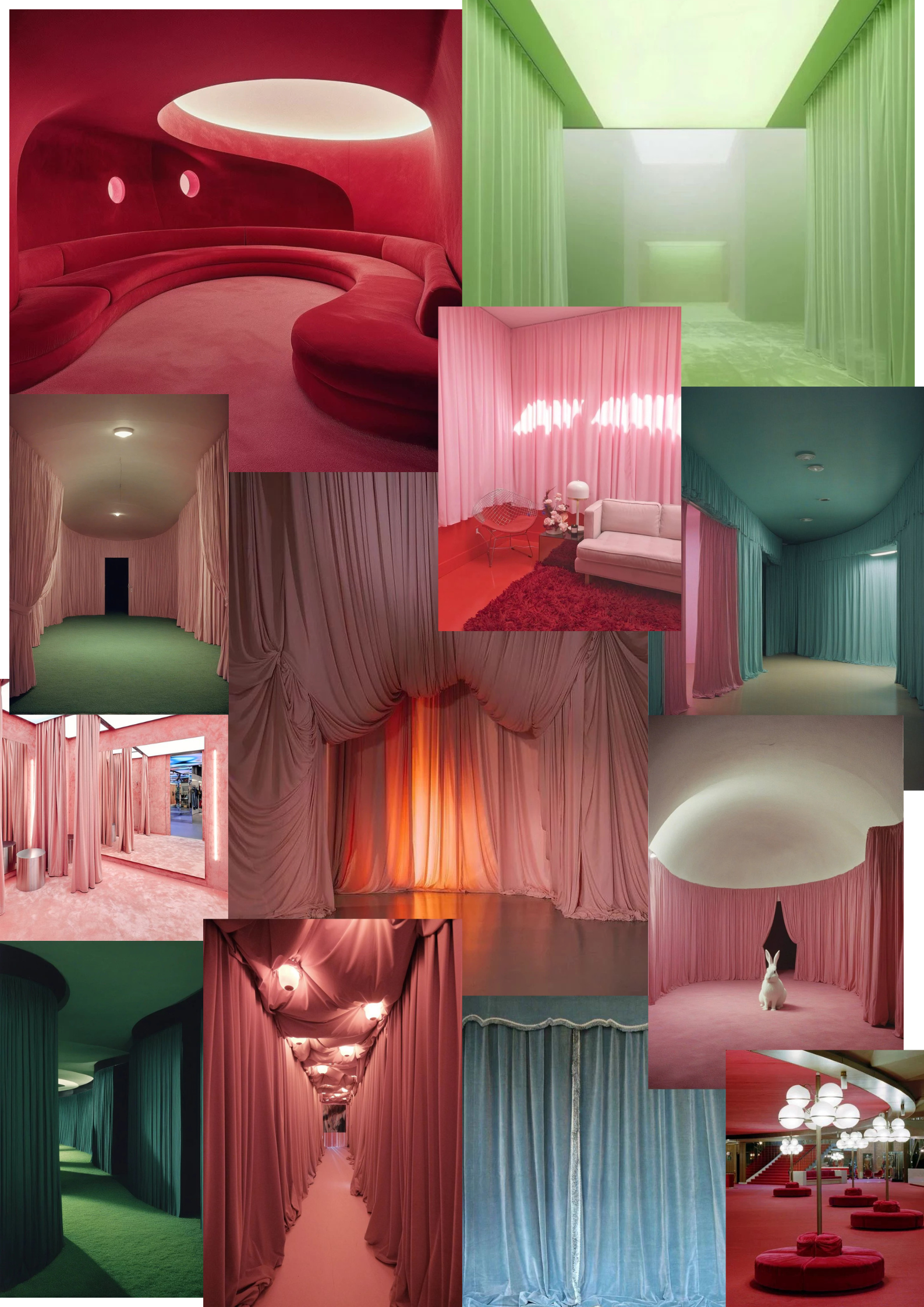
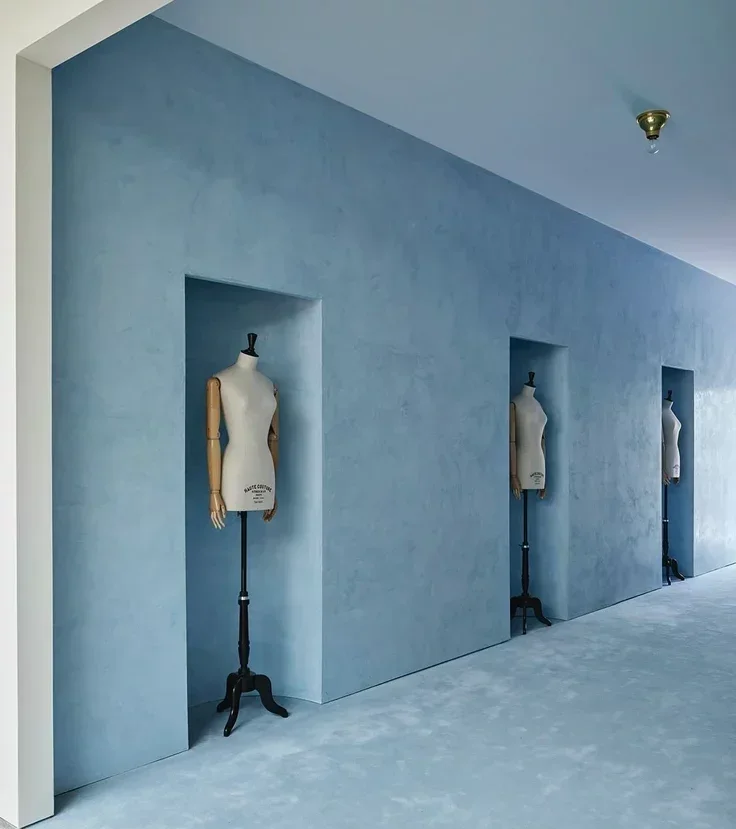
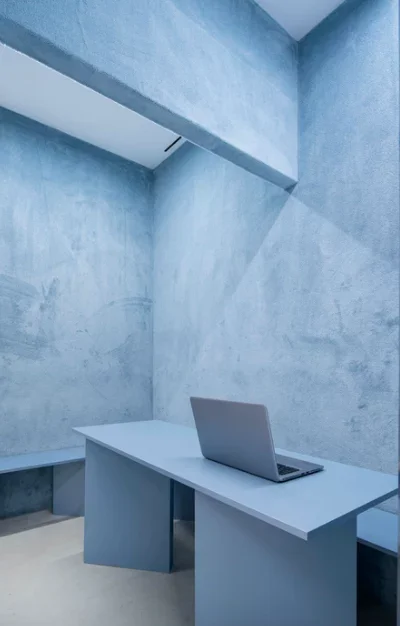
This flagship store transforms retail into a fully immersive, multi-sensory experience. Each section is defined by textured drapery, rich carpets and colour-drenched walls, creating distinct zones that tell the brand’s story. Mirrors and thoughtfully placed seating areas enhance spatial depth and invite visitors to linger, while the overall environment balances luxury, comfort and discovery.
Role:
Conceptual Experience Designer | UX-focused Art Direction

Design Approach
Experiential Zones: Textiles, textures and colour palettes differentiate each area, guiding visitors through a curated journey.
Tactile & Visual Engagement: Drapery, carpets, and walls provide touchable surfaces and rich visual interest, creating a layered sensory experience.
Mirrors & Spatial Flow: Strategically placed mirrors expand sightlines and amplify the immersive effect, while seating encourages exploration and pause.
Colour-Driven Identity: Vibrant, saturated tones reinforce brand personality and make each section memorable.
Outcome
The store is more than a shopping destination, it’s a luxury environment that engages sight, touch and movement, making every visit a sensory and emotional journey.
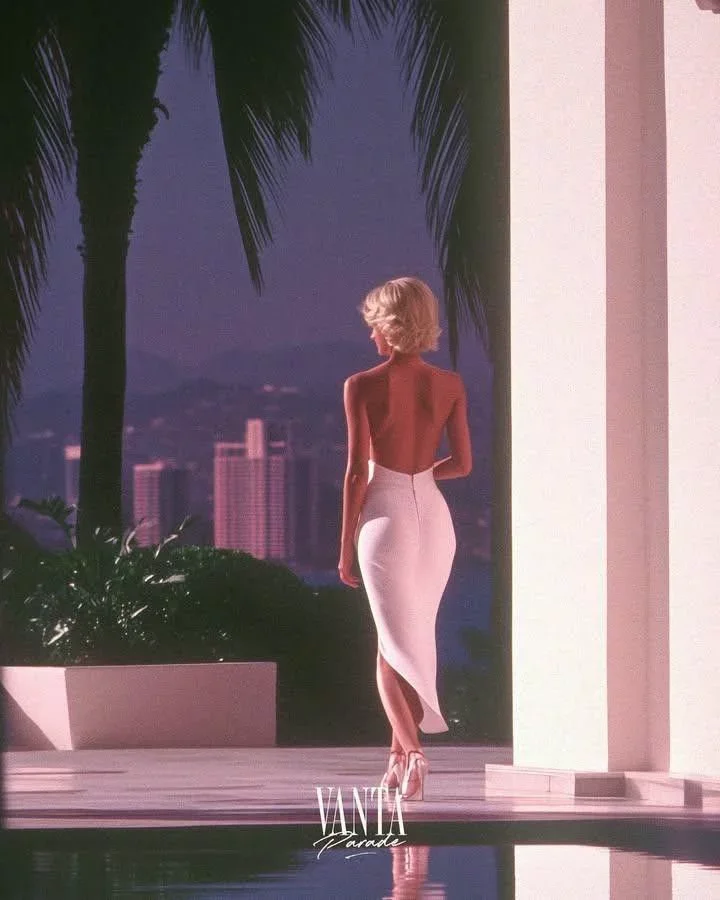
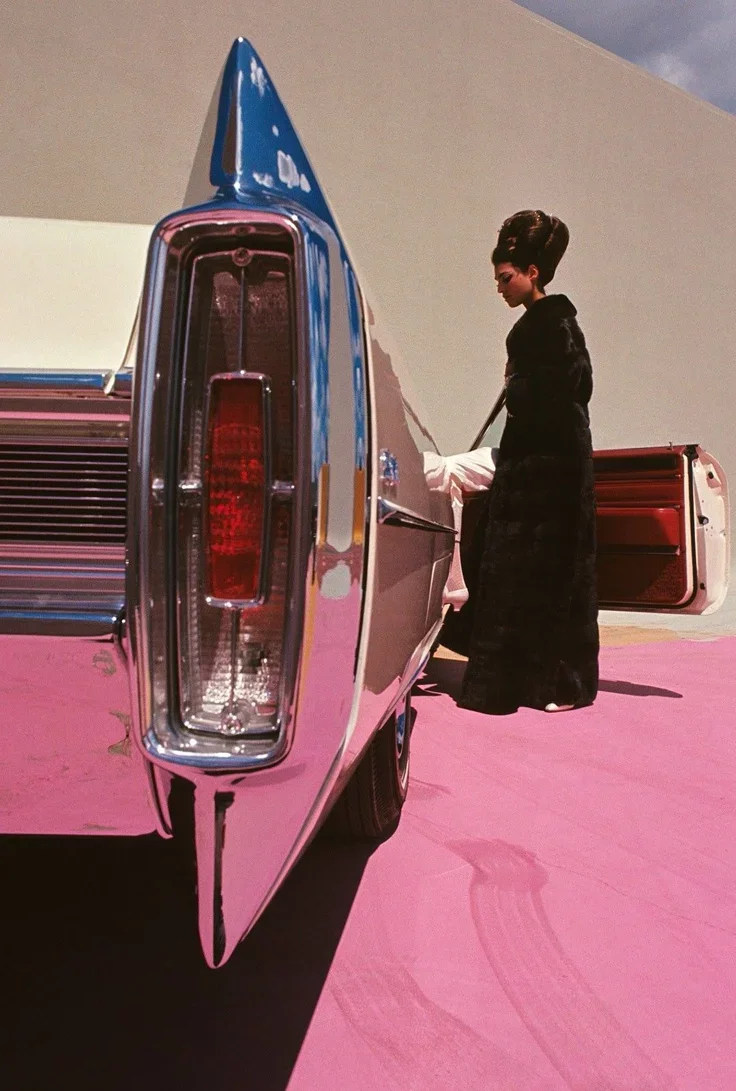
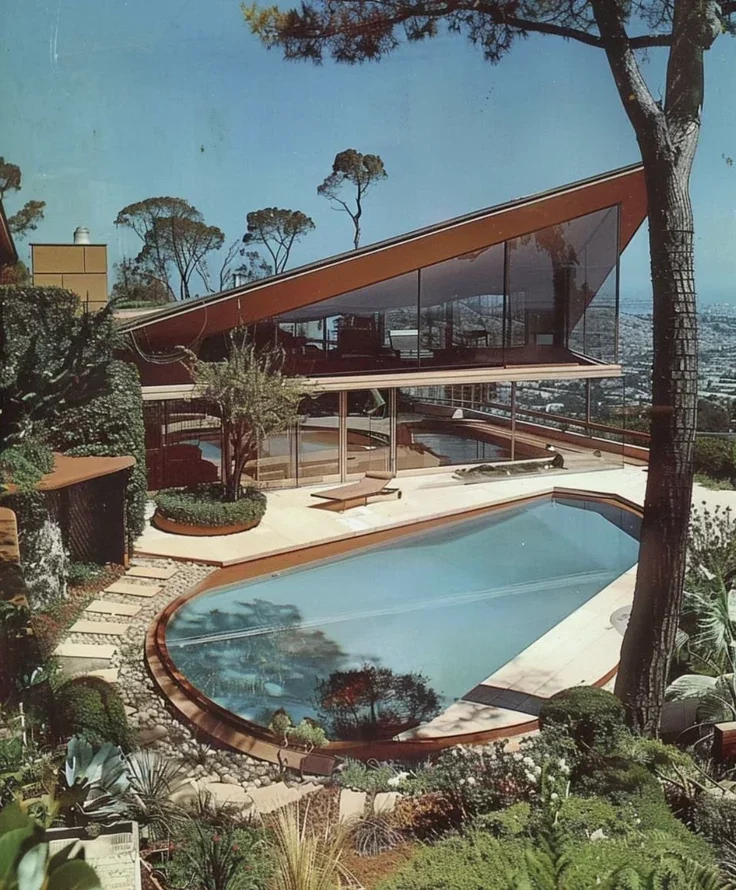
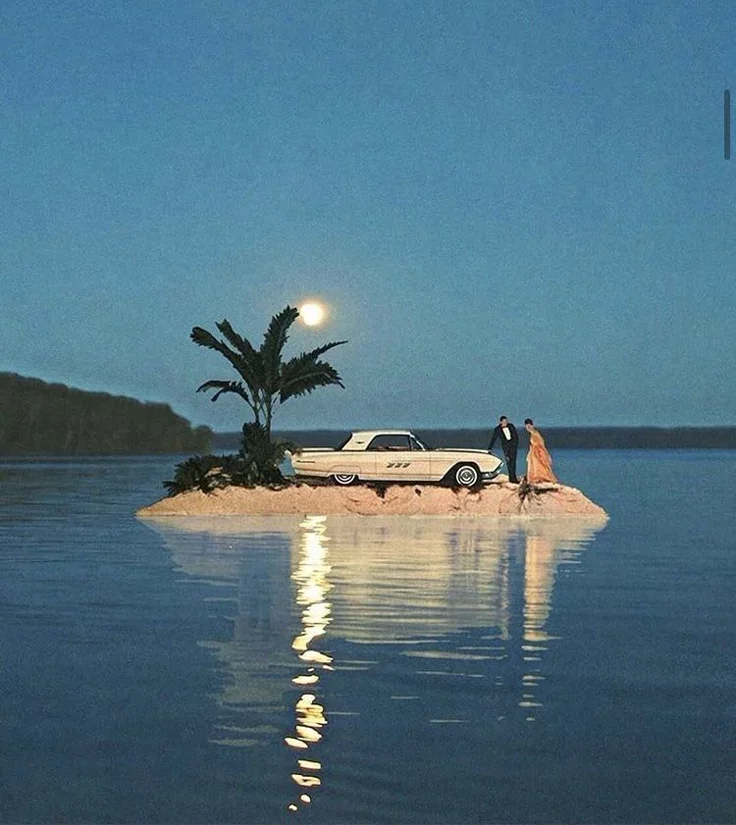
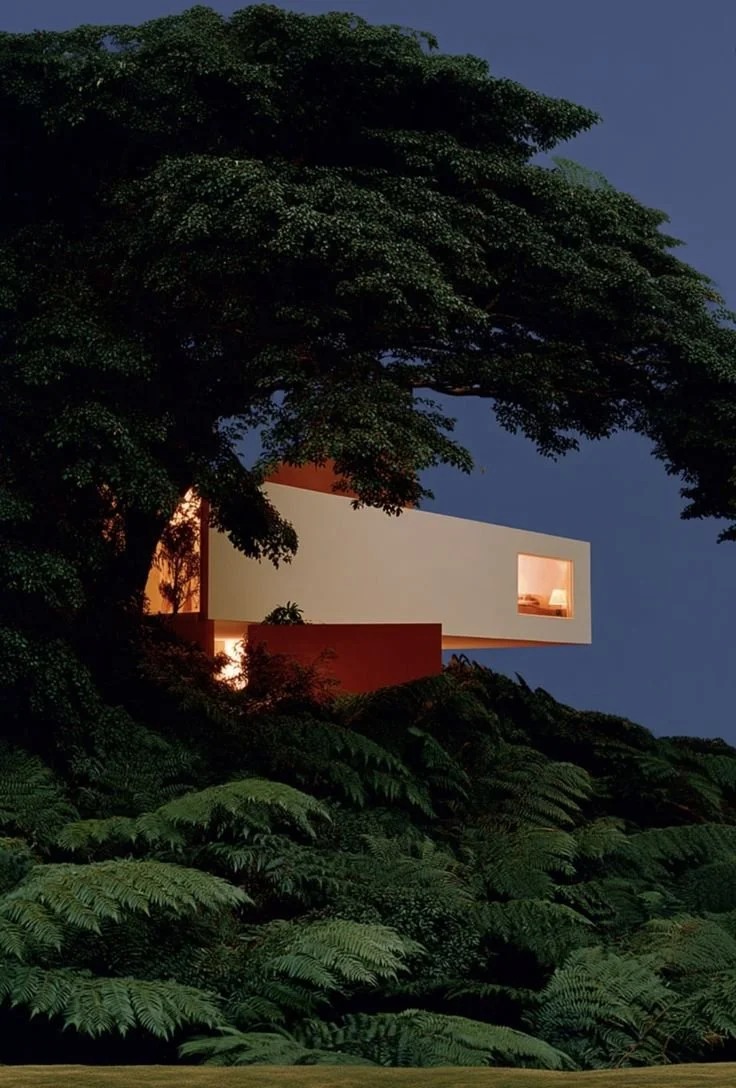
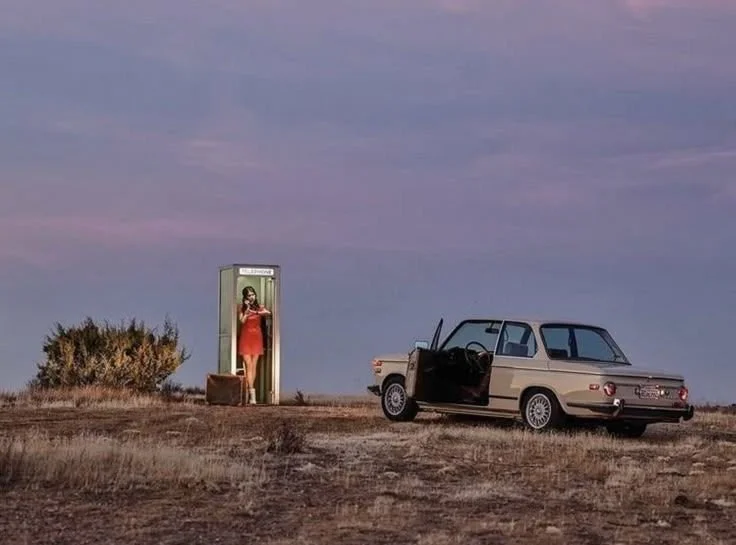
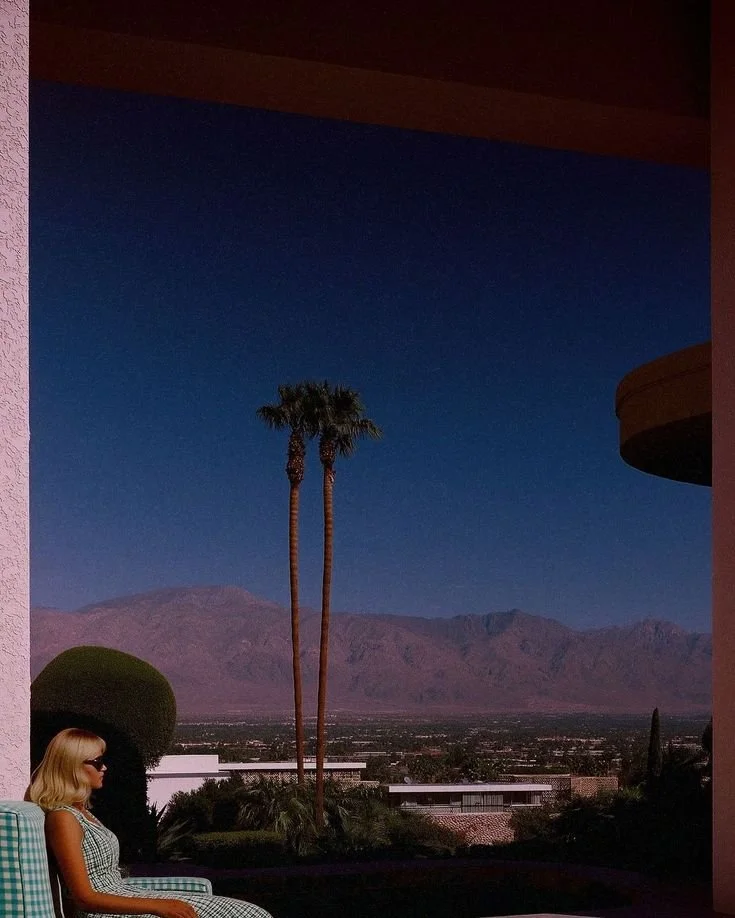
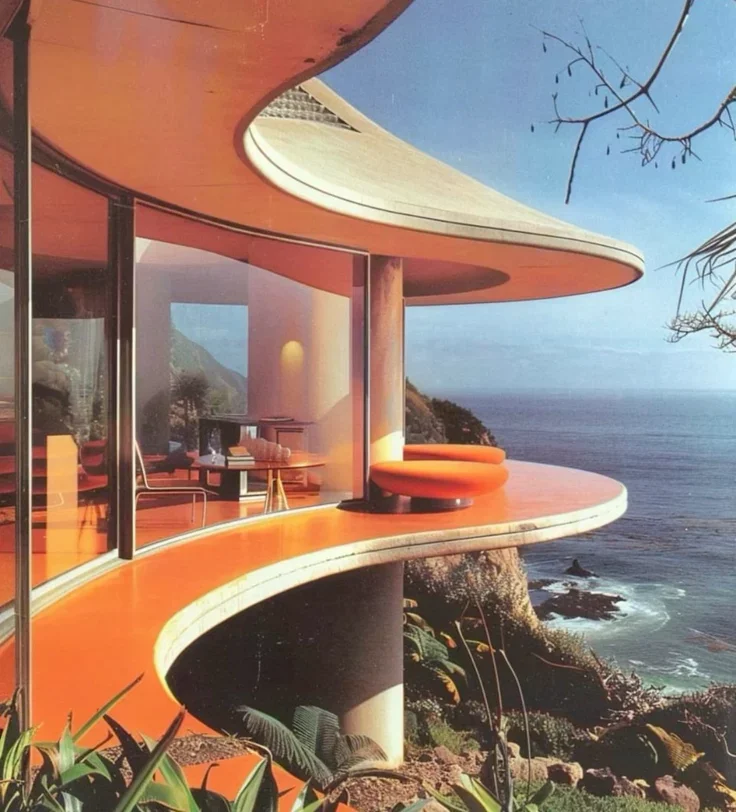
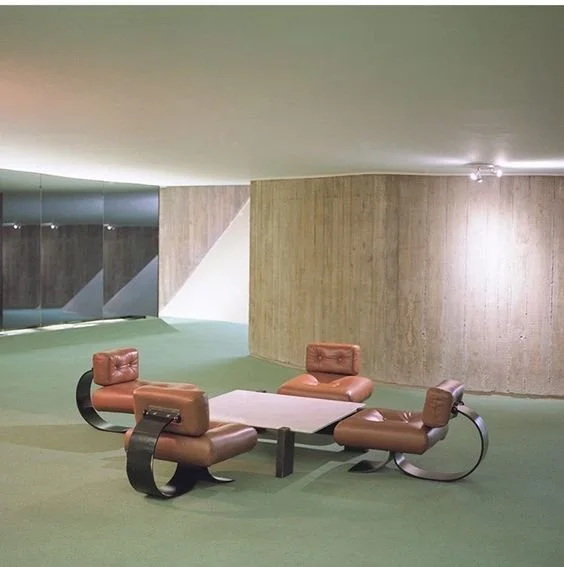
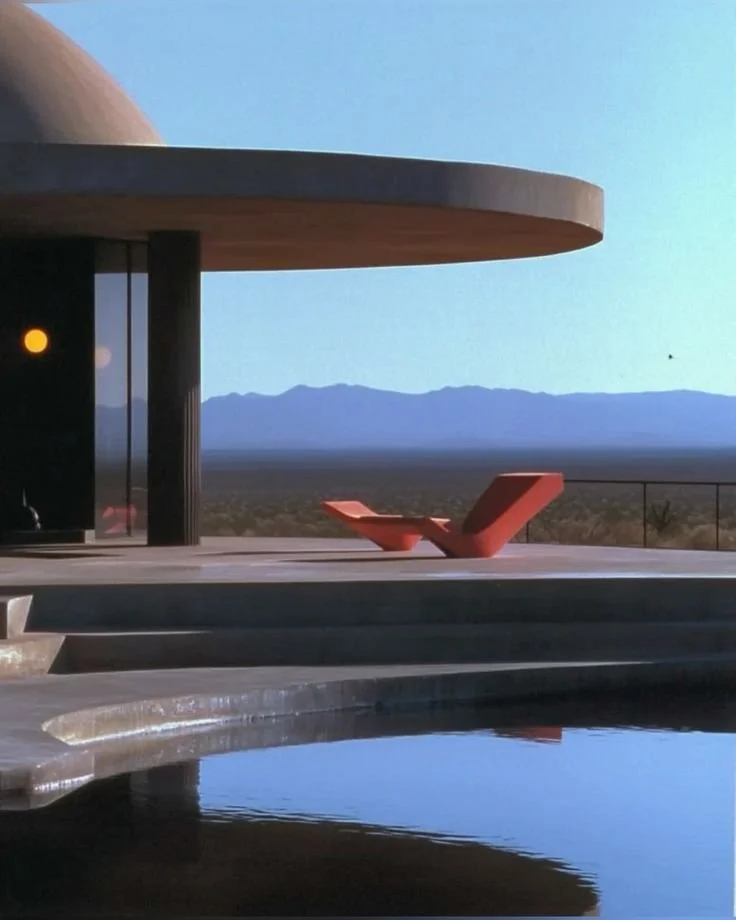
Mood board: Car Campaign Direction
*
Mood board: Car Campaign Direction *


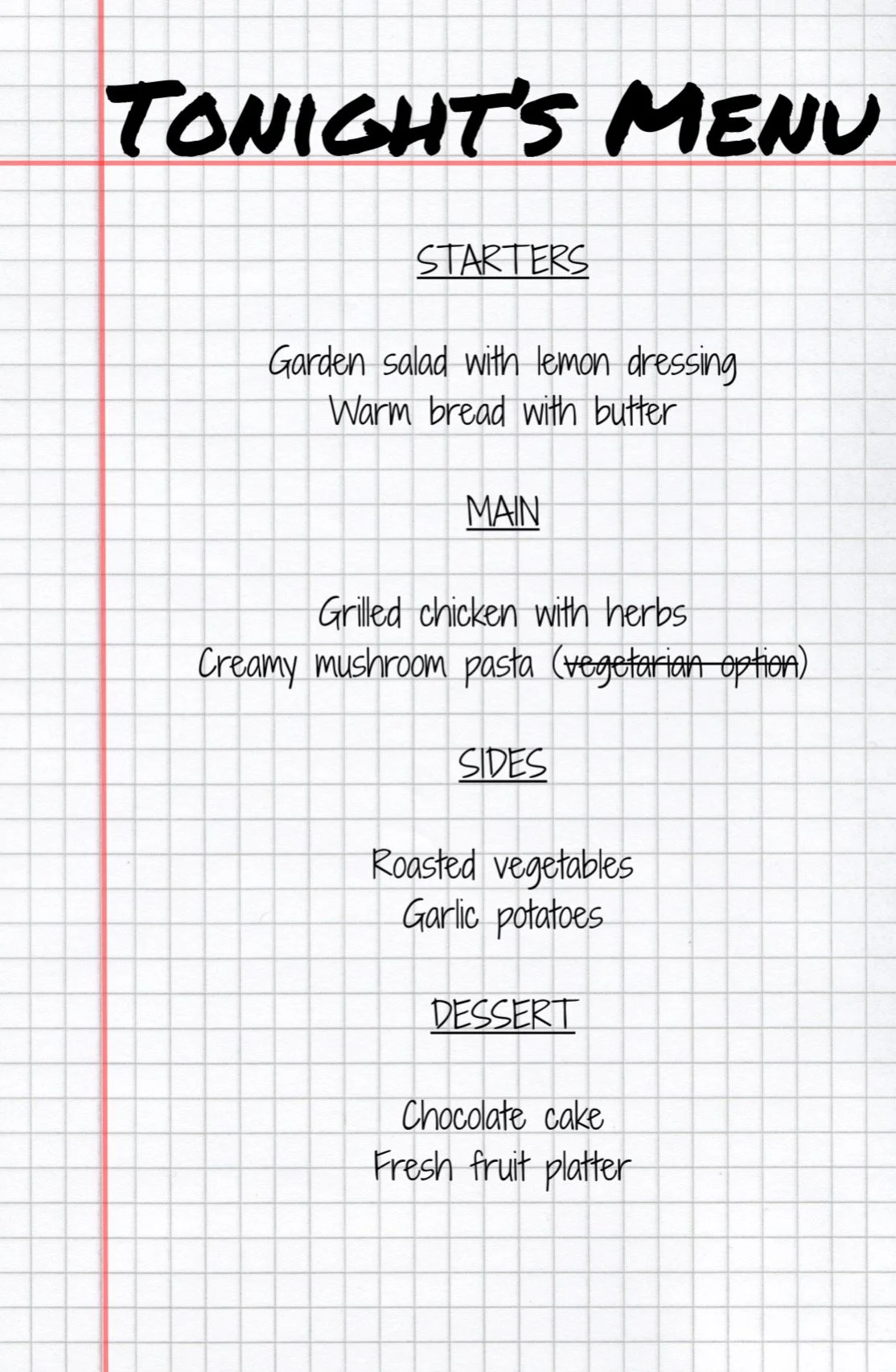
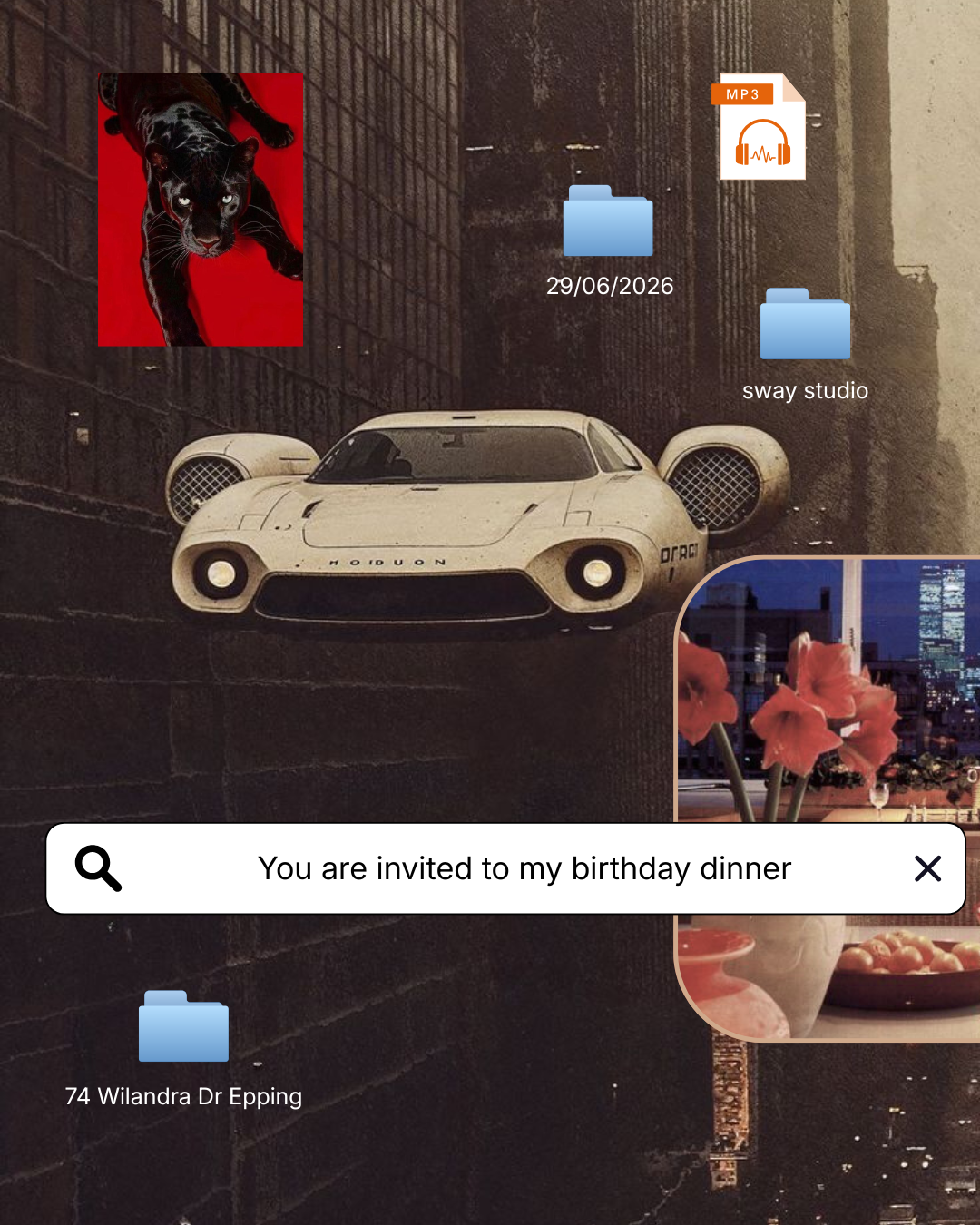
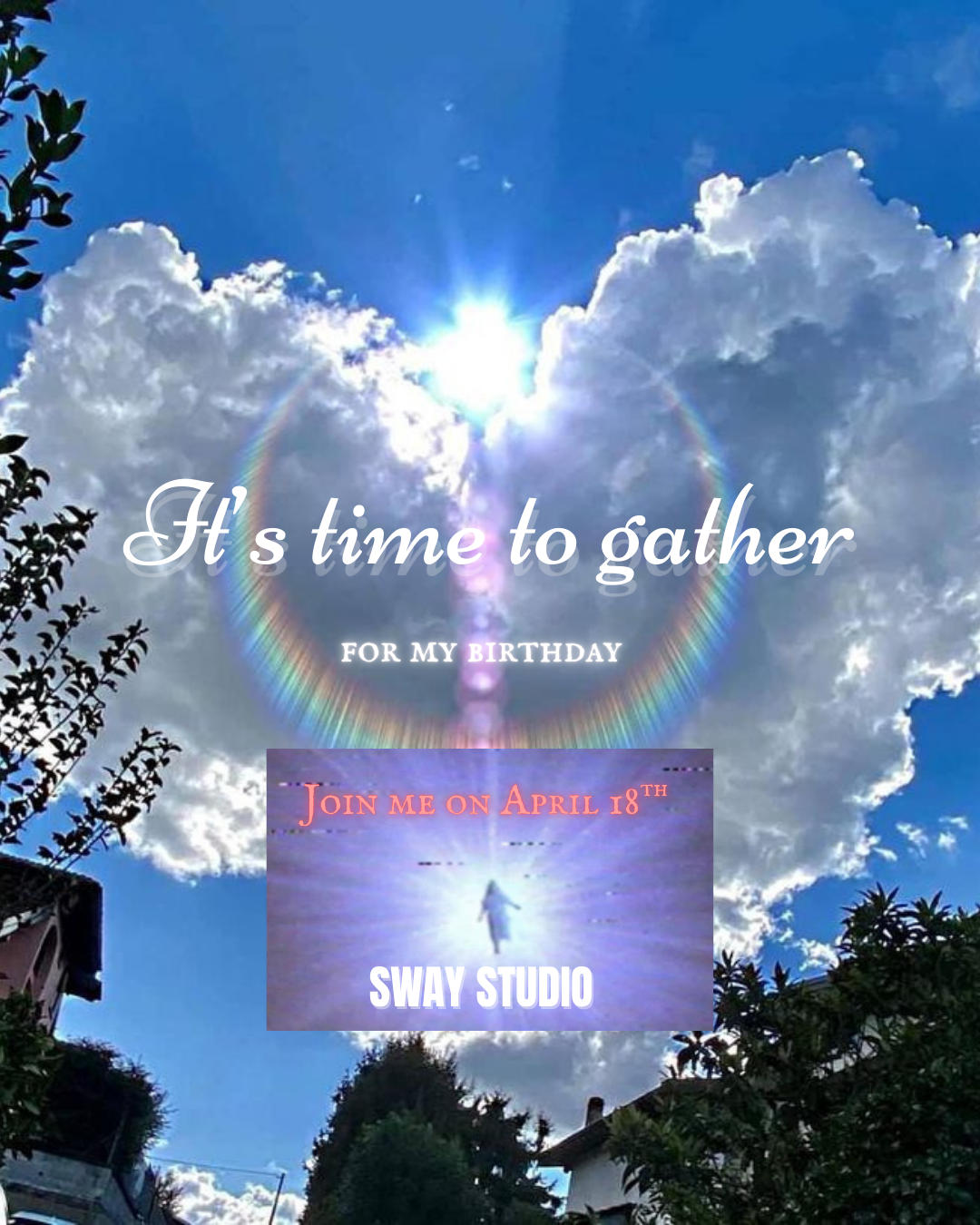
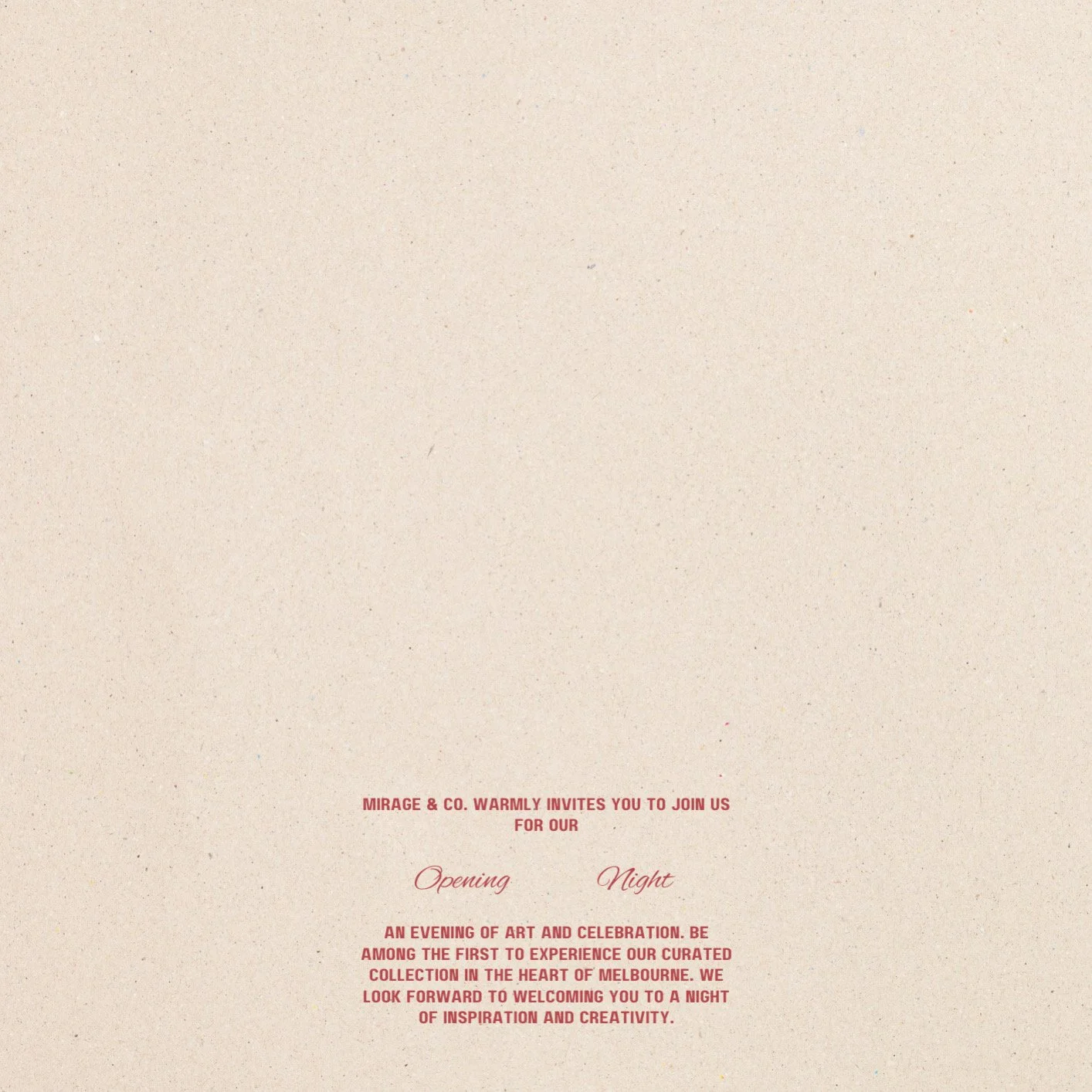
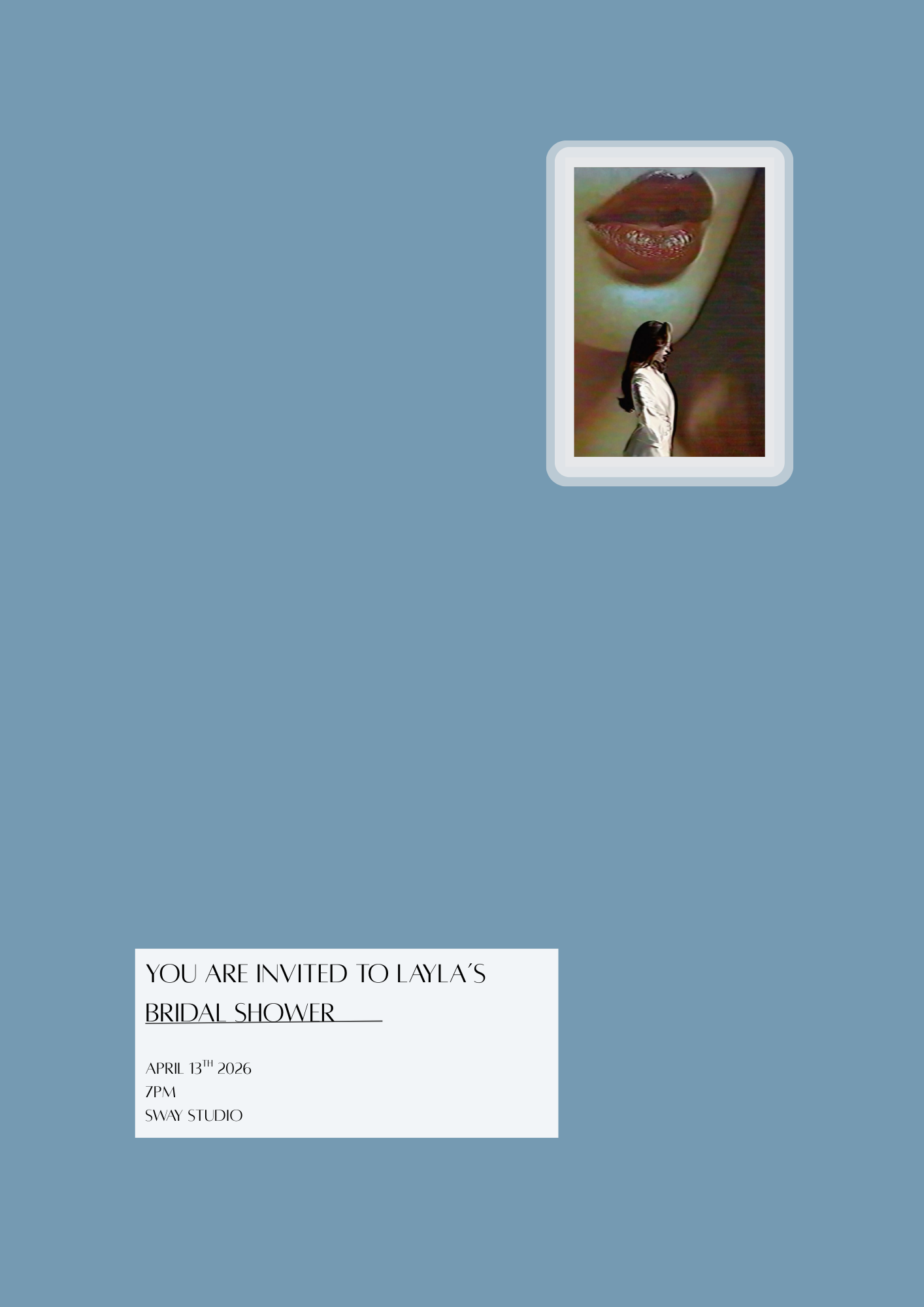
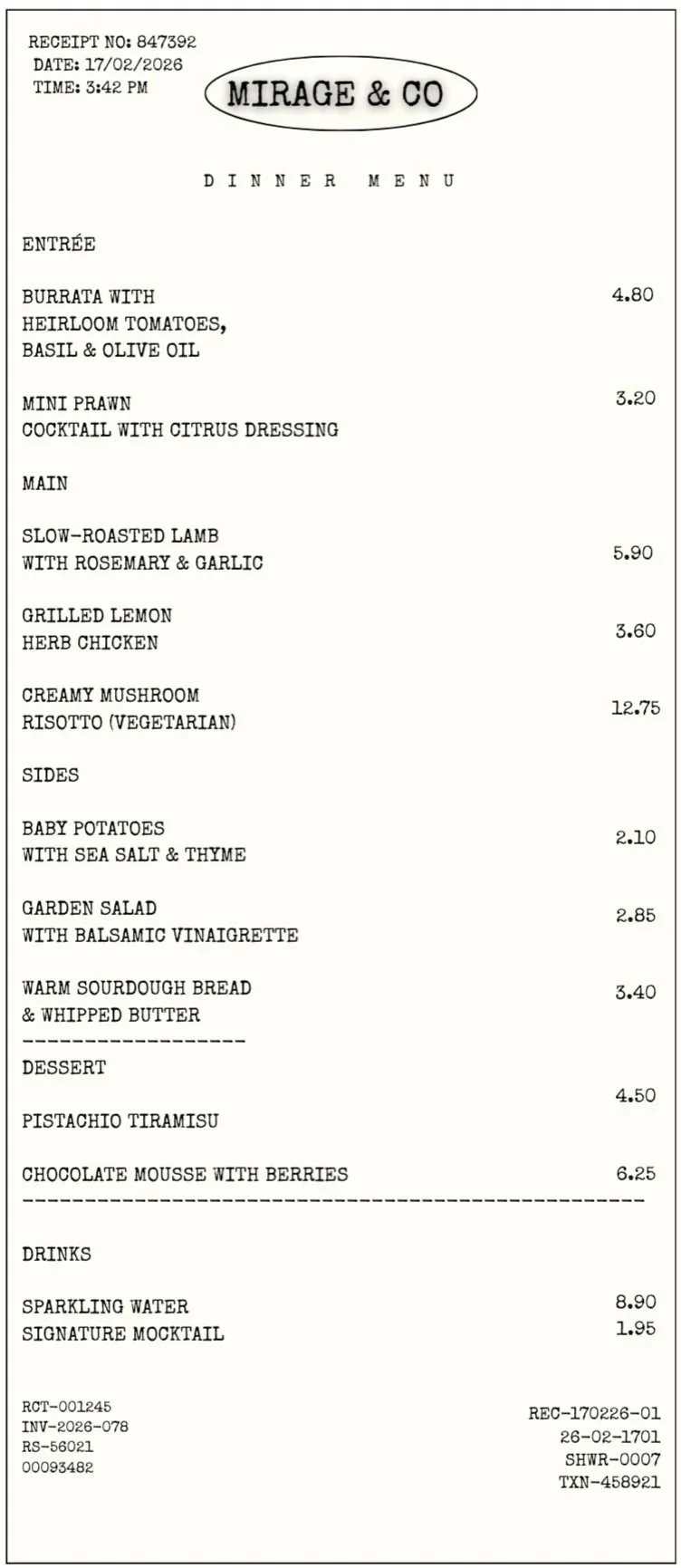
Invitation & Menu Design